Get Boxwood Removal in Boston, MA
Boxwood removal services help Boston property owners eliminate overgrown or unwanted boxwoods, tackling projects like hedge clearing, shrub removal, and landscape cleanup.
Property owners in Boston, MA, often face the challenge of managing overgrown or unwanted boxwood shrubs that can impact the overall appearance and safety of their outdoor spaces. Whether planning a landscape renovation, preparing a property for sale, or simply maintaining a tidy yard, enlisting the help of experienced local contractors can make the process smoother and more efficient. Exploring available options allows property owners to compare services and find solutions tailored to their specific needs, ensuring their landscape remains attractive and well-maintained.
For those considering boxwood removal, understanding the range of services offered by nearby specialists can help inform a well-planned project. Local service providers are equipped to handle various landscape needs, offering professional assistance that aligns with the unique conditions of properties in Boston and surrounding areas. Continuing to explore these options can lead to finding the right contractor to support your landscape goals and ensure the job is completed to your satisfaction.
- Boxwood Hedge Removal - needed when overgrown or damaged boxwood hedges in Boston neighborhoods require clearing to improve landscape appearance.
- Landscaping Renovation - necessary for homeowners updating garden designs in areas like Cambridge or Brookline that include boxwood shrubs.
- Property Clean-Up - required after storm damage or neglect to remove dead or unruly boxwood plants around residential or commercial properties.
- Garden Maintenance - needed when maintaining a tidy landscape in Boston's historic districts involves trimming or removing mature boxwood bushes.
- Landscape Restructuring - needed when redesigning outdoor spaces in nearby towns that involve replacing or removing existing boxwood plantings.

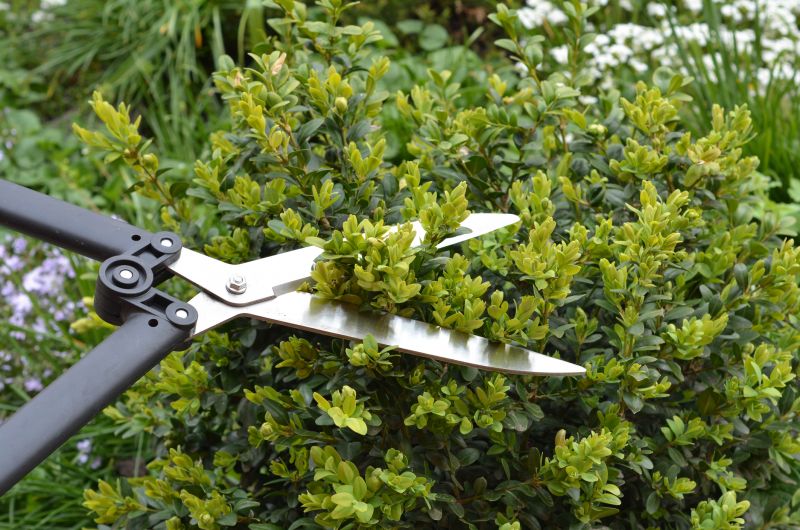
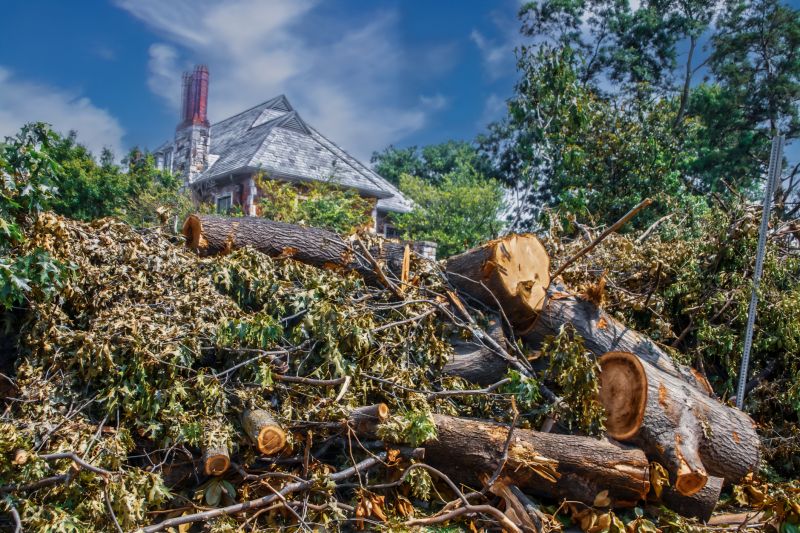
Boxwood removal services involve the careful and thorough clearing of existing boxwood shrubs from residential or commercial properties. This process typically includes cutting back the plants, removing the roots, and disposing of the debris in a clean and efficient manner. Whether the goal is to clear space for new landscaping, eliminate overgrown or unhealthy bushes, or prepare a property for renovation, experienced contractors can handle the entire removal process. They ensure that the removal is completed safely and neatly, minimizing disruption to the surrounding landscape.
Many property owners turn to boxwood removal when their bushes are diseased, overgrown, or no longer desired. Over time, boxwoods can develop pests or fungal issues that compromise their health, making removal the best option for maintaining a healthy landscape. Additionally, homeowners might choose removal if the bushes are blocking views, interfering with walkways, or conflicting with new design plans. Removing mature boxwoods can also help prevent future problems, such as root invasion into nearby structures or underground utilities.
The service is commonly used on a variety of property types, including single-family homes, apartment complexes, and commercial buildings with landscaped grounds. Residential properties often require boxwood removal when homeowners are updating their gardens or addressing landscape overgrowth. Commercial properties may need this service to maintain a clean, professional appearance or to accommodate new construction projects. Regardless of the property size, local contractors can adapt their approach to ensure the removal process fits the specific landscape and aesthetic goals.
Homeowners who notice their boxwoods are declining, overgrown, or no longer align with their landscaping plans may benefit from professional removal services. This work can also be necessary after storm damage, pest infestations, or when clearing space for new planting projects. By working with experienced service providers, property owners can ensure the removal is handled efficiently and safely, paving the way for healthier, more attractive landscapes. Contacting local contractors can help determine the best approach for each property’s unique needs.
The overview below groups typical Boxwood Removal projects into broad ranges so you can see how smaller, mid-sized, and larger jobs often compare in Boston, MA.
In many markets, a large share of routine jobs stays in the lower and middle ranges, while only a smaller percentage of projects moves into the highest bands when the work is more complex or site conditions are harder than average.
Small Boxwood Removal - typical costs range from $250-$600 for many smaller jobs, such as removing a few mature bushes or trimming overgrown plants. Many routine projects fall within this middle range, with fewer exceeding the higher end. Local contractors often provide estimates based on plant size and accessibility.
Medium-Sized Projects - prices for removing multiple boxwoods or larger clusters usually fall between $600-$1,200. These projects tend to be more involved but remain common for residential properties. Factors like plant maturity and site conditions can influence the final cost.
Large or Complex Removals - larger, more complex projects, such as removing extensive shrub beds or heavily rooted plants, can reach $1,200-$3,000 or more. While less frequent, these jobs often involve additional labor or equipment needs, increasing the overall cost.
Full Replacement or Landscaping - complete removal and replacement of boxwoods, including soil prep and planting, can range from $3,000-$5,000+. These projects are less common but are necessary for extensive landscape redesigns or large commercial properties, with costs varying based on scope and materials used.
Actual totals will depend on details like access to the work area, the scope of the project, and the materials selected, so use these as general starting points rather than exact figures.
Hedge and shrub removal - local contractors often use similar tools and techniques to safely remove overgrown or unwanted greenery from residential and commercial properties.
Tree stump grinding - this service involves grinding down tree stumps, requiring similar planning and equipment as root removal for landscape clearance projects.
Garden bed preparation - preparing and clearing garden areas involves removing existing plants like boxwoods to create a clean slate for new planting or landscaping.
Land clearing and site prep - removing dense shrubbery and small trees is part of broader site preparation, utilizing comparable equipment and planning skills.
Hedge trimming and shaping - shaping and maintaining boxwoods and similar shrubs requires precision and tools akin to those used in shrub removal projects.
Landscape debris hauling - collecting and disposing of yard waste from shrub and plant removal tasks involves similar logistics and equipment handling as boxwood removal services.
When evaluating contractors for boxwood removal, it’s important to consider their experience with similar projects. Homeowners should look for service providers who have a proven track record of handling shrub removal jobs comparable in size and scope. Asking for examples of past work or references can help gauge their familiarity with the specific challenges involved in removing boxwoods, ensuring they understand the best practices for a clean and effective removal process. A contractor’s familiarity with local conditions and plant varieties can also contribute to a smoother project, making it worthwhile to seek out those who have successfully completed comparable jobs in the area.
Clear, written expectations are a key component of a successful working relationship. Homeowners should aim to receive detailed descriptions of the services offered, including what is included and what might be additional. This helps prevent misunderstandings and ensures everyone is aligned on the scope of work. Service providers who can provide a straightforward outline of their process, materials, and any potential considerations demonstrate professionalism and transparency. Having these expectations documented can serve as a helpful reference throughout the project, making it easier to address questions or concerns if they arise.
Good communication is essential when choosing a local contractor for boxwood removal. Homeowners should look for service providers who are responsive, willing to answer questions, and able to provide clear explanations about their approach. Reputable contractors often maintain open lines of communication, which can help clarify project details and foster trust. Checking references or reviews can also shed light on how effectively a contractor communicates and whether previous clients felt informed and comfortable throughout the process. Keep in mind that the site introduces homeowners to local options that can handle the work, but it does not perform the work itself, so establishing strong communication with chosen service providers is a vital step in the process.
Property owners in Boston, MA use Boxwood Removal services for practical projects around their homes and businesses. This guide focuses on everyday jobs and straightforward project options.
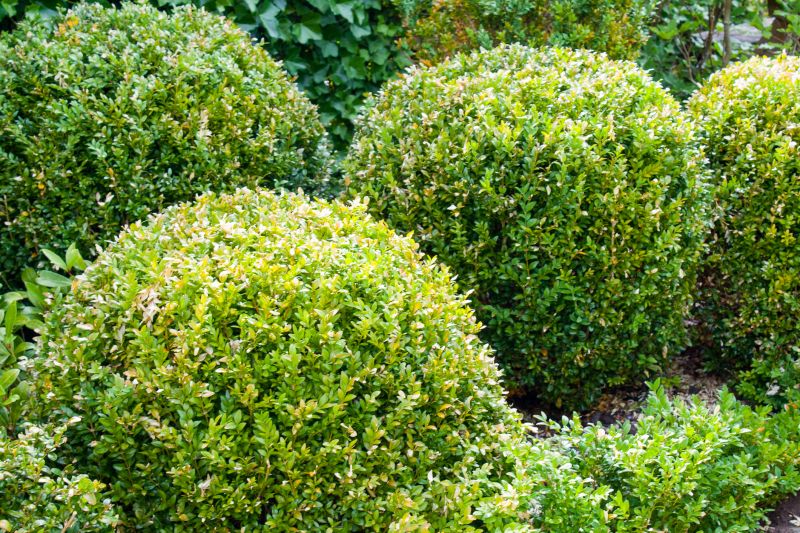
Property owners in Boston, MA often seek boxwood removal services when overgrown or unhealthy shrubs begin to interfere with outdoor aesthetics or restrict access around their homes. Whether preparing for seasonal landscaping, clearing space for new plantings, or removing damaged greenery after harsh weather, local contractors can handle these tasks efficiently. Additionally, those looking to improve curb appeal or address safety concerns caused by dense shrubbery may turn to experienced service providers for professional removal.
In other situations, Boston residents might need boxwood removal when managing property renovations or preparing for construction projects. Overgrown or invasive shrubs can hinder building work or create obstacles in tight urban spaces. Local service providers are equipped to safely and cleanly remove unwanted greenery, making way for new developments or landscaping designs. These projects often require timely and precise work to ensure property improvements proceed smoothly.
What is involved in removing boxwoods? Local contractors typically assess the size and health of the boxwoods, then use proper tools to carefully remove the plants and roots to prevent damage to surrounding landscaping.
Are there different methods for boxwood removal? Yes, professionals may use mechanical excavation or hand digging, depending on the size and location of the boxwoods, to ensure safe and effective removal.
Can boxwood removal be combined with planting new landscaping? Many service providers can coordinate removal with other landscaping services, such as planting new shrubs or installing mulch, to improve yard aesthetics.
What should be done with the debris after removal? Local contractors often include debris cleanup as part of their service, removing and disposing of the leftover plant material responsibly.
Is it necessary to remove boxwoods for landscape renovation? Removing existing boxwoods is often a step in larger landscape redesigns or renovations, allowing for new planting plans or yard improvements.
Enhance curb appeal - Removing overgrown or damaged boxwoods can refresh the appearance of a front yard or garden area. Local contractors can help property owners achieve a cleaner, more inviting landscape.
Prepare for landscaping projects - Clearing existing boxwoods creates space for new plantings, garden features, or lawn expansion. Local service providers can handle the removal to make way for future improvements.
Address safety concerns - Removing diseased or unstable boxwoods reduces hazards around walkways and patios. Local pros can safely and efficiently handle the removal process to keep outdoor spaces safe.
Improve property maintenance - Regular removal of unwanted or overgrown boxwoods helps maintain a tidy yard and reduces ongoing upkeep. Local contractors can assist with seasonal or routine boxwood removals.
If you are thinking about Boxwood Removal for a property in Boston, MA, this guide is meant to help you understand the work, the typical project types, and how different options might fit your plans.
When you are ready, you can use the quote form on this page to share a few details about your project. From there, local pros can review the basics and respond with options that match what you have in mind.