Get Garden Plant Removal in Boston, MA
Garden plant removal services help Boston property owners clear overgrown bushes, unwanted trees, or invasive plants, simplifying yard cleanup and landscaping projects.
Property owners in Boston, MA, often find themselves considering plant removal to maintain a safe, attractive, and functional outdoor space. Whether dealing with overgrown shrubs, dead plants, or unwanted greenery, removing these elements can help improve curb appeal, prevent damage to surrounding structures, or prepare for new landscaping projects. Exploring options for professional plant removal ensures that the work is handled efficiently and safely, giving homeowners confidence in their outdoor planning efforts.
When evaluating local service providers for garden plant removal, it’s helpful to compare the experience and expertise of nearby contractors. Many professionals are equipped to handle a variety of plant removal needs, from small garden beds to larger landscape clearings. Continuing to explore your options can lead to finding the right team to support your property’s maintenance and improvement goals, making it easier to achieve a tidy, well-kept outdoor environment.
- Garden Plant Removal - needed when overgrown shrubs or plants obstruct walkways or outdoor living spaces in neighborhoods like Back Bay or South End.
- Tree and Shrub Removal - required after storm damage or to clear space for new landscaping projects in Boston suburbs such as Brookline or Newton.
- Hedge and Bush Clearing - necessary when hedges become overgrown and impact curb appeal or privacy in residential areas across Cambridge or Somerville.
- Invasive Plant Removal - essential for controlling invasive species that threaten native gardens in local parks or community yards.
- Dead Plant and Root Removal - important for maintaining healthy garden beds and preventing pests in yards throughout the Greater Boston area.
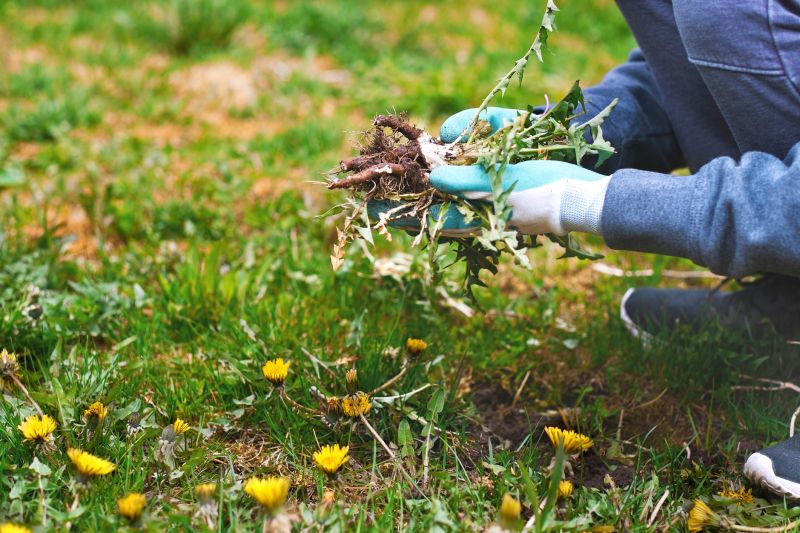
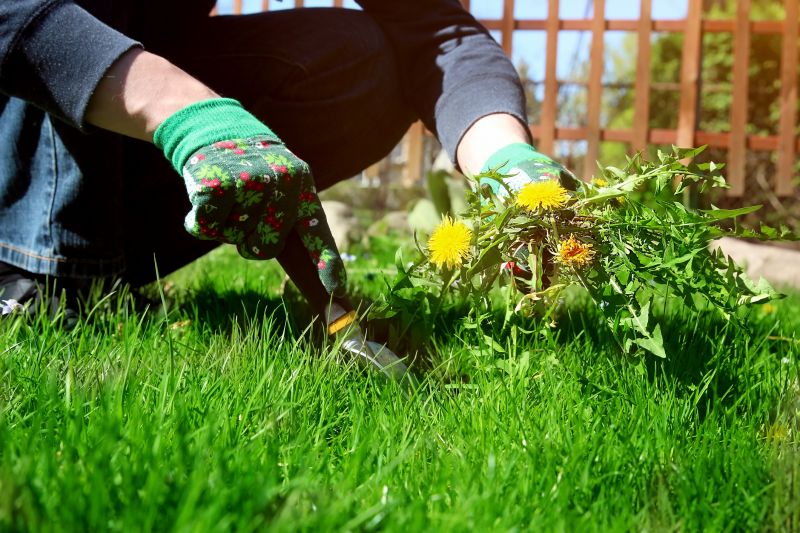
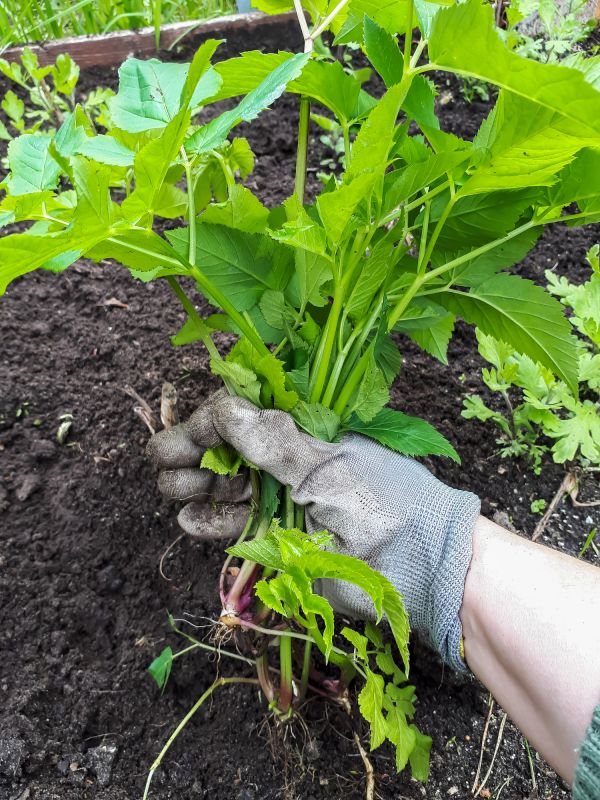
Garden plant removal services involve the careful and efficient clearing of unwanted or overgrown plants, including shrubs, bushes, small trees, and invasive species. These services typically include assessing the area, safely cutting back or removing plants, and disposing of debris in accordance with local regulations. This process helps homeowners maintain a tidy, safe, and visually appealing yard, especially when certain plants have become overgrown or are no longer desired. Professional contractors use the appropriate tools and techniques to ensure the work is completed cleanly and efficiently, reducing the risk of damage to surrounding plants or structures.
This service addresses a variety of common problems faced by homeowners. Overgrown or dead plants can make a yard look neglected and may pose safety hazards if branches or roots encroach on walkways or structures. Invasive species can quickly take over a garden, crowding out native plants and disrupting the landscape’s balance. Additionally, removing unwanted plants can prepare a yard for new landscaping projects, such as planting new flowers, installing lawns, or creating outdoor living spaces. Garden plant removal can also be necessary after storm damage or to clear space for new construction or renovation efforts.
Properties that frequently utilize garden plant removal services include residential homes, especially those with mature gardens or landscaped yards. Homeowners in suburban neighborhoods or historic districts often seek these services to preserve the aesthetic and safety of their outdoor spaces. Larger properties, such as estates or properties with extensive gardens, may require professional removal to manage the scope of work efficiently. Even commercial properties, like parks, schools, or community centers, may need plant removal services to keep outdoor areas safe, accessible, and visually appealing for visitors and staff.
Homeowners typically consider garden plant removal services when plants have become overgrown, unhealthy, or problematic. This includes situations where plants are blocking views, encroaching on structures, or creating hazards like falling branches. It’s also useful when invasive species threaten native plants or when preparing a yard for new landscaping projects. Whether clearing out dead or unwanted plants or managing overgrowth, local contractors can provide the expertise needed to handle the job safely and effectively. Contacting a professional can help ensure the work is done properly, contributing to a healthier, more attractive outdoor space.
The overview below groups typical Garden Plant Removal projects into broad ranges so you can see how smaller, mid-sized, and larger jobs often compare in Boston, MA.
In many markets, a large share of routine jobs stays in the lower and middle ranges, while only a smaller percentage of projects moves into the highest bands when the work is more complex or site conditions are harder than average.
Smaller Plant Removals - Many local contractors charge between $250 and $600 for routine plant removal jobs, such as removing a few shrubs or small bushes. These projects are common and typically fall within this middle range. Larger or more complex smaller jobs may cost more, but most stay within this bracket.
Medium-Sized Projects - For removing several mature plants or multiple bushes, costs usually range from $600 to $1,500. Many projects of this size are straightforward and fall into the lower to mid part of this range, while more extensive plantings can push costs higher.
Large-Scale Removal - Larger, more complex projects like removing multiple trees or extensive landscaping can reach $1,500 to $3,500. These jobs are less common but are handled by local pros equipped for bigger projects, often requiring special equipment or permits.
Full Garden Overhaul - Complete garden or landscape removal, including multiple mature trees and extensive plantings, can cost $3,500 or more, with some larger projects exceeding $5,000. These are less frequent but involve significant planning and labor by experienced contractors.
Actual totals will depend on details like access to the work area, the scope of the project, and the materials selected, so use these as general starting points rather than exact figures.
Tree and Shrub Removal - this service involves removing unwanted trees and shrubs, requiring similar planning and equipment as garden plant removal projects.
Landscape Clearing - clearing overgrown or cluttered landscapes involves similar skills in debris removal and site preparation as garden plant removal.
Stump Grinding and Removal - removing remaining tree stumps requires specialized tools and techniques comparable to removing large or stubborn plants.
Garden Bed Preparation - preparing garden beds for planting involves removing existing plants and debris, similar to the initial steps of plant removal.
Hardscape Installation - installing patios or walkways often requires clearing vegetation and leveling ground, which overlaps with garden plant removal skills.
Fence and Structure Removal - removing old fences or structures may involve clearing vegetation and debris, utilizing techniques similar to plant removal services.
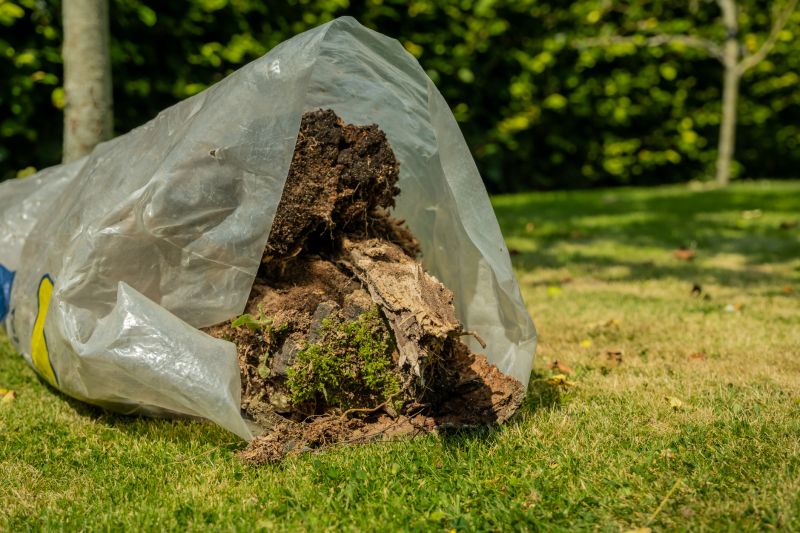
When comparing service providers for garden plant removal, it’s important to consider their experience with similar projects. Homeowners should look for local contractors who have a history of handling plant removal tasks comparable to their own. This can help ensure that the provider understands the specific challenges involved, such as dealing with different plant types, soil conditions, or landscape layouts common in areas like Boston, MA. A contractor’s background with comparable jobs can often be a good indicator of their capability to complete the project efficiently and effectively.
Clear, written expectations are essential when evaluating local pros for garden plant removal. Homeowners should seek providers who can offer detailed descriptions of their services, including the scope of work, materials used, and any specific steps involved in the removal process. Having this information in writing helps prevent misunderstandings and ensures that both parties are aligned on what will be accomplished. It’s also helpful to confirm that the contractor is willing to answer questions and provide clarification about their approach before work begins.
Reputable references and strong communication are key factors to consider when selecting local contractors for garden plant removal. Homeowners can ask potential service providers for references from past clients, especially those who had similar projects. Speaking with previous customers can provide insights into the contractor’s professionalism, reliability, and quality of work. Additionally, effective communication-such as prompt responses to inquiries and clarity in discussing project details-can make the process smoother and more transparent. It’s important to choose a provider who demonstrates a willingness to listen and address concerns throughout the project, helping to foster a positive working relationship.
Property owners in Boston, MA use Garden Plant Removal services for practical projects around their homes and businesses. This guide focuses on everyday jobs and straightforward project options.
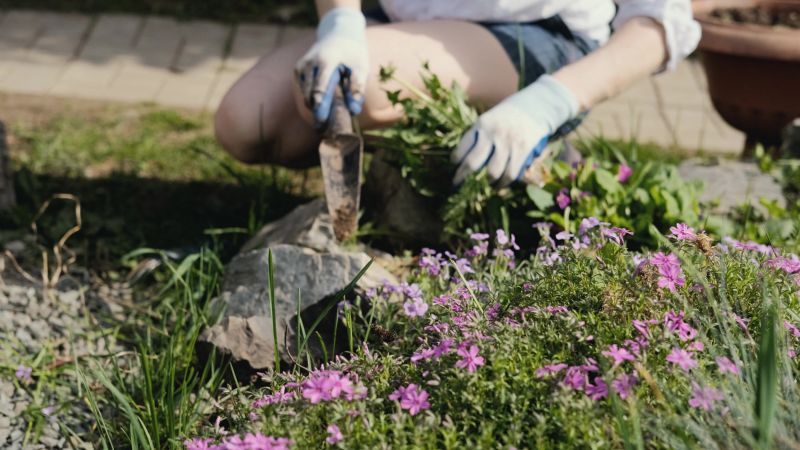
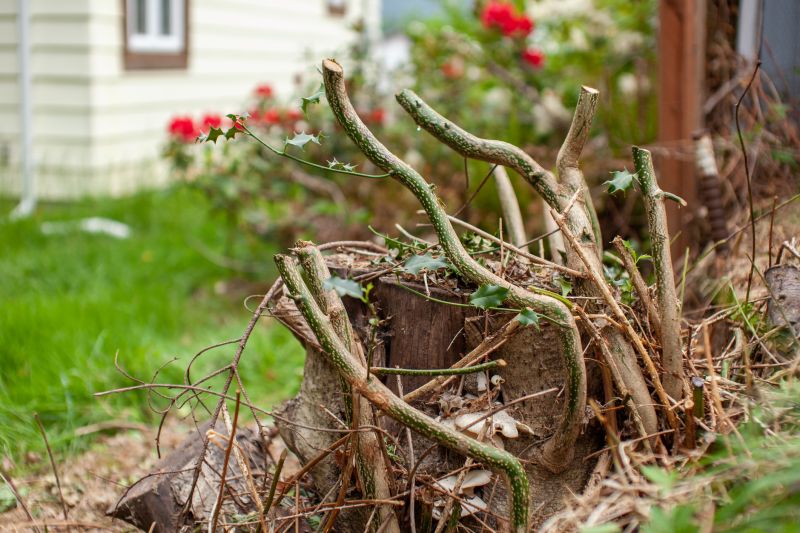
Garden plant removal services are often needed when property owners in Boston, MA, want to clear out overgrown shrubs, dead or diseased plants, or invasive species that are taking over their outdoor spaces. Homeowners may seek these services to prepare their gardens for new planting seasons, improve curb appeal, or simply reduce maintenance efforts. Whether it's removing tangled bushes near walkways or clearing out old perennials to make way for fresh landscaping, local contractors can handle a variety of plant removal projects to help maintain a tidy and attractive yard.
In addition, property owners might look for plant removal when dealing with storm damage, fallen branches, or unwanted growth that encroaches on structures or neighboring properties. Boston residents often need assistance with clearing out plants that have become unruly or pose safety concerns, especially in tight urban spaces. Local service providers can assist with safely removing problematic vegetation, ensuring outdoor areas remain accessible and visually appealing.
What types of plants can be removed from a garden? Local contractors can handle removal of a variety of garden plants, including shrubs, small trees, perennials, and invasive species.
Is professional plant removal necessary for my garden? Hiring experienced service providers ensures safe and efficient removal, especially for larger or stubborn plants that may be difficult to remove alone.
How do local contractors dispose of removed plants? Many service providers compost, mulch, or properly dispose of plant debris according to local regulations and environmental guidelines.
Can garden plant removal services help with clearing overgrown areas? Yes, local pros can clear overgrown sections of a garden, removing unwanted plants and making space for new landscaping or maintenance.
What should I consider before requesting plant removal services? Consider the types of plants to be removed, the size of the area, and any specific access or safety concerns for the service providers.
Garden Clearing - Property owners can remove overgrown or unwanted plants to prepare a yard for new landscaping or outdoor projects.
Tree and Shrub Removal - Local contractors can help safely remove large or hazardous trees and shrubs that no longer fit the landscape.
Yard Renovation - Homeowners planning to redesign outdoor spaces can clear existing plants to create a clean slate for new features.
Storm Damage Cleanup - After severe weather, property owners can have fallen or damaged plants removed to restore safety and appearance.
If you are thinking about Garden Plant Removal for a property in Boston, MA, this guide is meant to help you understand the work, the typical project types, and how different options might fit your plans.
When you are ready, you can use the quote form on this page to share a few details about your project. From there, local pros can review the basics and respond with options that match what you have in mind.